

Having a backup generator for your home or business provides you with safety, security, and peace of mind in the event of a power outage. Be prepared for the next storm.
- Click Here to Read Our Reviews
- Follow Us:


New Jersey’s Trusted
Local Home Service Team
When It Comes to Your Home, Whom Do You Trust?
When you need a NJ electrician, plumber, or help with your furnace not just any local New Jersey company will do. Your family’s safety and comfort is a stake.
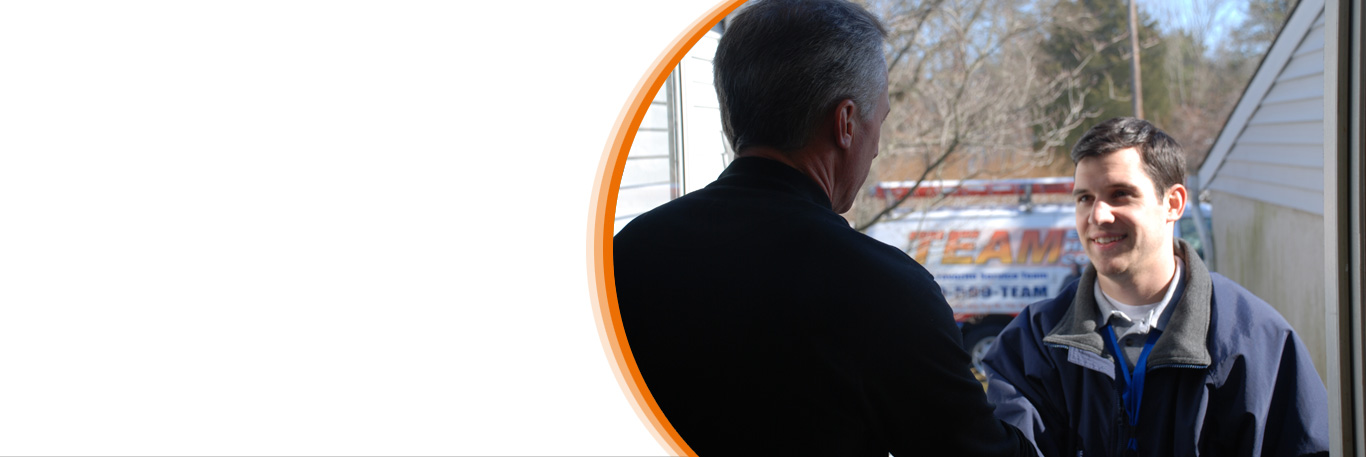
You want a company that you can trust to be available, to be on time, to do the job right, and then stand behind their work. At Team Services, earning your trust through professional conduct, expert service, and respect for your home, is our passion.
We pride ourselves on being a local company run by a veteran with over 20 years in the business. You can trust us to take care of your problem.

Generators
Heating Services
The air has taken on a colder chill and now is the time to get your furnace or boiler repaired or a new one installed to surround yourself with cozy warmth while the weather outside takes a turn for the worse.
Hot Water Heaters
Don’t let cold water ruin your day. Give us a call. We can repair your current or install a new water heater that will run efficiently and effectively, saving you money and discomfort.
Team Electric, Plumbing & Air Inc is the Premier Home Service Company in New Jersey proving you with excellent service for all of your electric, plumbing, heating, and air needs.
When you need a NJ electrician, plumber, or help with your furnace not just any local New Jersey company will do. Your family’s safety and comfort is a stake. We pride ourselves on our quality service and fast response times. If you have an emergency, don’t sit around wondering when the repair guy is going to show up. Give us a call. We’re prompt, responsible, and will respect you and your home.



In order to serve you better:
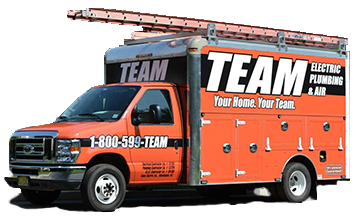
The Guys In The Big Orange Trucks